Company Events & Community Involvement

Facebook YouTube Twitter Instagram

Utilities included apartments in Winnipeg can make monthly budgeting simpler, but the phrase “utilities included” does not automatically mean every household service is covered. One apartment may include heat, hydro and water, while another may include only heat and water, so renters should check the exact inclusions before comparing monthly rent.

The most useful way to compare apartments is to look beyond the advertised rent and calculate the total amount you are likely to pay each month. That means checking utilities, parking, laundry, internet, tenant insurance and any other recurring costs that apply to the suite.

What Does “Utilities Included” Mean in a Winnipeg Apartment?

When a rental listing says utilities are included, the landlord is covering one or more utility services as part of the rent you pay. In Manitoba, the Residential Tenancies Branch identifies utilities as services such as heat, gas, electricity and water.

The key word is “included,” not “all.” A listing should tell you exactly which services are covered.

For example, Towers Realty Group currently lists Markham Place on Pembina Highway with heat, hydro and water included in rent. Other Towers properties have different combinations, which is why it is worth checking each building page rather than assuming the same arrangement applies everywhere.

Before you book a viewing, make a note of the utilities shown in the listing. During the viewing or before signing the lease, confirm those inclusions with the caretaker or leasing agent.

Which Utilities Should You Check Before Renting?

Start with heat, hydro and water because they can have the biggest effect on the difference between advertised rent and your actual monthly housing cost.

Heat refers to the energy used to warm the apartment. Depending on the building, the heating system may use natural gas or electricity, and the renter may or may not be responsible for paying for it directly.

Hydro generally refers to electricity in Manitoba. If hydro is not included, ask whether you will need to open your own Manitoba Hydro account and which appliances or systems in the apartment use electricity.

Water may be included even when hydro is not. Do not assume that one included utility means the others are covered.

Some listings may also include other services or amenities. Towers’ current apartment and sublet listings show examples where rent can include items such as laundry, Wi-Fi, cable, parking or storage in addition to standard utilities. These are not universal inclusions, so check the specific listing.

How to Compare Utilities Included Apartments in Winnipeg

The lower advertised rent is not always the lower-cost apartment. Compare the full monthly picture.

A useful comparison should include:

  • monthly rent
  • heat
  • hydro
  • water
  • internet
  • parking
  • laundry
  • tenant insurance
  • storage, if you need it

If one apartment is $75 less per month but requires you to pay hydro, parking and laundry separately, it may not actually be the less expensive option. The exact result depends on your usage and the building’s charges, so use the real numbers available for each apartment rather than a general average.

When heat, hydro or water is included, those particular costs are rolled into rent rather than arriving as separate utility bills. That does not automatically make the apartment the better choice, but it can make the monthly cost structure easier to understand.

Towers’ apartment search lets renters compare available properties and filter for features that matter to them. Once you identify a few suitable buildings, open each property page and check the “Included in Rent” section.

Why Utility Costs Matter Heading Into a Winnipeg Winter

Utility responsibility becomes especially relevant before Winnipeg’s colder months because heating and electricity use can change with the season.

As of January 1, 2026, Manitoba Hydro residential electricity rates increased by 4%. That does not mean every renter’s bill rose by the same dollar amount because actual costs depend on consumption and the type of building or heating system. It does mean that renters who pay their own electricity should include current rates in their budget rather than relying on an old estimate.

If heat is included in rent, confirm that fact in the lease. If you are responsible for heat or hydro, ask the leasing agent what type of heating system serves the suite and which utilities you will need to place in your name.

Renters comparing summer listings should think ahead. An apartment that feels affordable in August should still work for your budget in January.

What Else Should You Budget for Beyond Rent and Utilities?

Utilities are only one part of the monthly housing cost. Parking, laundry and internet can change the total just as quickly, especially if you use them every month.

Parking can materially change the monthly total because some Towers properties include it while others list separate surface or covered parking charges. If you own a vehicle, include the actual parking cost before deciding whether an apartment fits your budget.

Laundry also varies by building. A suite may have in-suite laundry, shared laundry or a separate laundry charge. Internet and cable are usually separate unless the property specifically says they are included.

Tenant insurance should also be part of the conversation. Towers’ current rental process states that tenant insurance is highly recommended, even though it is not required by Towers. Ask your insurer for a quote based on the apartment you are considering so you can budget accurately.

What Do Manitoba Rental Rules Say About Included Utilities?

If a utility service is included in the tenant’s rent, Manitoba’s Residential Tenancies Branch has procedures intended to help keep that service operating if the landlord has not paid the utility bill.

That is one reason the lease matters. The safest approach is to make sure the utilities you expect to receive are clearly reflected in the tenancy agreement rather than relying only on an advertisement or verbal conversation.

If you are unsure about a utility clause, ask for clarification before signing. Towers’ step-by-step rental process includes a lease-signing stage where renters can review the agreement and ask questions.

Questions to Ask Before You Sign the Lease

Before committing to an apartment, confirm the details that will affect your monthly budget.

Ask which utilities are included in the rent and which ones you must pay separately. Confirm whether you need to open a Manitoba Hydro account. Ask whether parking, laundry, storage or internet carry separate charges. If the suite has air conditioning, find out whether the electricity it uses is included or paid by the tenant.

Towers’ article on apartments with air conditioning in Winnipeg is a useful companion when cooling costs and system types are part of your decision. Towers currently features the article within its renter resources.

You can also compare a live property example such as Markham Place, where the current listing identifies heat, hydro and water as included in rent. Property details can change, so always confirm the current listing and lease terms before applying.

Before signing, you should be able to list every recurring cost that sits outside the monthly rent. Once you compare the full monthly cost, it becomes much easier to judge which apartment fits both your needs and your budget.

Frequently Asked Questions

What does utilities included mean when renting an apartment in Winnipeg?
Utilities included means one or more services such as heat, electricity or water are covered as part of the rent. It does not automatically mean every utility is included, so check the listing and tenancy agreement for the exact services.

Is hydro usually included in apartment rent in Winnipeg?
Hydro is included at some Winnipeg apartment buildings and paid separately at others. Towers’ current portfolio itself demonstrates both types of arrangements, so the individual property listing should be checked before applying.

How can I compare two apartments when one includes utilities and the other does not?
Compare the total monthly cost rather than rent alone. Add the known costs for utilities, parking, laundry, internet and other recurring expenses to see which apartment better fits your budget.

Should utility inclusions be written into the lease?
The tenancy agreement should accurately reflect the services included with the rental. If a listing or conversation suggests a utility is included but the lease is unclear, ask the landlord or leasing agent to clarify before you sign.


Pet-friendly apartments in Winnipeg can have very different rules, so “pet-friendly” should be treated as the start of your research rather than the final answer. Before applying, confirm whether your type and number of pets are allowed, whether a pet damage deposit applies, what municipal licensing is required, and whether the building has any size or other restrictions.

Doing that work before you submit an application can save you from finding a great apartment that does not actually fit your pet or your budget.

What Does Pet-Friendly Mean for Winnipeg Apartments?

A pet-friendly apartment is a rental where the landlord allows certain household pets under the building’s rules. It does not mean every animal is automatically accepted.

In Manitoba, landlords may refuse household pets or set guidelines around the kinds of pets they allow. Service animals are treated differently under Manitoba law.

Towers Realty Group’s apartment search includes filters for pet-friendly and cat-friendly properties, as well as features such as pet wash facilities and greenspace. Once you find a property that looks suitable, check the individual building page and the current pet policy before applying.

How Do Pet Damage Deposits Work in Manitoba?

A landlord who permits pets can require a pet damage deposit, but Manitoba limits the amount.

The Residential Tenancies Branch states that a pet damage deposit collected on or after August 1, 2014 can be up to one month’s rent. The deposit is held until the tenancy ends and may be claimed for qualifying pet-related damage or cleaning costs.

That amount is separate from the regular security deposit. Because move-in costs can add up quickly, ask about the pet deposit before you apply and include it in your moving budget.

Towers’ current Resident Animal Pawlicy states that approved household pets require a pet deposit equal to one month’s rent. Renters should review the latest policy before applying in case any building-specific conditions apply.

Check the Building’s Pet Rules Before You Apply

The most important question is not simply “Are pets allowed?” It is “Is my pet allowed at this property?”

Towers’ current Resident Animal Pawlicy states that household pets are permitted only at designated pet-friendly properties unless otherwise approved in writing. The policy currently permits domesticated cats and dogs, limits households to no more than two animals per unit, and includes size and other restrictions for dogs. Specific buildings may have more restrictive rules.

Because policies can change, treat the current policy page and the property’s own listing as the source of truth when you are ready to apply.

Have the basic details about your pet ready when you speak with the leasing team:

  • type of animal
  • number of animals
  • approximate size
  • current licence information
  • any documentation required by the property

Confirming these details before a viewing helps avoid applying to a building whose rules do not fit your animal.

Do Dogs and Cats Need a Licence in Winnipeg?

Yes. The City of Winnipeg states that dogs and cats over six months of age living in Winnipeg need a pet licence.

Towers’ current animal policy also requires residents to provide current licence information for household pets where municipal licensing applies. If you are moving from another city or your pet’s licence is close to expiring, take care of that step before your move so your records are current.

Licensing is separate from a landlord’s permission to keep the animal. A city licence does not guarantee that a specific building will accept your pet, and approval from a landlord does not replace municipal licensing requirements.

Which Apartment Features Make Life Easier With a Pet?

A building can allow pets and still be a poor match for your daily routine. Look at the apartment and neighbourhood through the lens of how you actually care for your animal.

For a dog owner, convenient access to outdoor space may matter more than an extra amenity you rarely use. A nearby park or a simple route outside can make everyday walks easier. An elevator may also be useful in a taller building, particularly for an older dog or an owner who wants to avoid several flights of stairs.

A pet wash can be practical after muddy spring walks or snowy winter outings. Towers’ Don Togo Apartments currently lists an on-site pet wash, direct access to Don Togo Park and pet-friendly status.

Cat owners may care more about suite layout, natural light, window security and whether the building is specifically cat-friendly. Towers’ apartment-search filters can help narrow those options.

A suitable pet-friendly building should work with the pet’s actual routine, not merely allow the animal on paper.

What Is the Difference Between a Household Pet and a Service Animal?

Under Manitoba rental rules, a service animal is not treated the same way as a household pet.

The Residential Tenancies Branch states that landlords cannot refuse to rent to someone because they rely on a service animal and cannot charge a pet damage deposit for that service animal.

Towers’ current Residential Tenant FAQs also explain that service animals may be allowed at properties that are otherwise not pet-friendly, subject to applicable legal requirements and documentation.

Renters who rely on a service animal should discuss accommodation requirements directly with the landlord or property manager rather than assuming the household pet rules apply.

What Should You Ask Before Applying for a Pet-Friendly Apartment?

Confirm the policy before you spend time completing an application.

Ask whether your pet’s type, size and number are permitted. Confirm the amount of the pet damage deposit and when it is due. Ask whether the building has any rules for common areas, elevators, balconies or outdoor spaces. Check whether your licence documentation is current and whether any additional forms are required.

Then look at the apartment itself. Is there enough room for your pet’s normal routine? Is there a practical path outside? Are nearby walking routes suitable throughout the year? Does the property have greenspace or a pet wash that would make everyday care easier?

A property such as Water’s Edge Estates currently lists pet-friendly townhomes, courtyard or greenspace and a park-like setting.

A renter with a dog that needs frequent outdoor access may value greenspace differently from a cat owner who prioritizes suite layout and window security. That is why the policy and the property need to be compared together.

Once you find a suitable building, review Towers’ current pet policy, view the exact suite and confirm the requirements with the leasing team before applying. Towers’ rental process currently requires applicants to view the exact suite before submitting an application, subject to its provisions for applicants who cannot attend locally.

Frequently Asked Questions

How much can a landlord charge for a pet damage deposit in Manitoba?
For pet damage deposits collected on or after August 1, 2014, Manitoba allows a landlord to collect up to one month’s rent. The exact amount should be confirmed before you enter the tenancy agreement or receive permission to bring a pet into the unit.

Can a landlord in Manitoba refuse pets?

Yes, a Manitoba landlord can refuse household pets or establish rules about which pets are allowed. Service animals are treated differently under human rights and residential tenancy rules.

Do dogs and cats need a pet licence in Winnipeg?

Dogs and cats over six months old living in Winnipeg need a pet licence. Renters should keep the licence current and provide the information required by their landlord’s pet policy.

Does pet-friendly mean every dog is allowed?
No, a pet-friendly building may still have rules about the type, size, number or other characteristics of animals allowed. Always check the current policy for the specific building before applying. Towers’ own policy is an example of a pet-friendly policy with defined conditions.

Can a landlord charge a pet damage deposit for a service animal in Manitoba?
No. Manitoba’s Residential Tenancies Branch states that a landlord cannot charge a pet damage deposit for a tenant who relies on a service animal.

Every Winnipeg spring follows the same script. Temperatures swing between freeze and thaw for weeks before the city finally settles into warmer days. For apartment residents, that in-between period is worth paying attention to. The melting of months of accumulated snow can affect everything from building drainage to balcony conditions, and knowing what to look for helps you stay comfortable and keep your unit in good shape.

Most of this falls squarely on your property management team to handle, but you play a role too. A quick heads-up from a resident can mean the difference between a small maintenance fix and a bigger issue down the line.

Why the Thaw Period Is the Tricky Part

Winnipeg doesn’t just warm up gradually. It freezes, then thaws, then freezes again, sometimes within the same week. That repeated cycle puts more stress on building systems and outdoor surfaces than a single steady warm-up would. Ice that forms overnight along drainage paths or near entryways creates the kind of hazards that are easy to overlook until someone slips.

Snow stored near foundations, fences, and low-lying spots tends to concentrate snowmelt exactly where it can cause the most trouble. Property managers account for this during winter snow removal, but residents can help by avoiding placing personal items, planters, or furniture over outdoor drains.

If you’re curious how other seasonal shifts affect your home throughout the year, our post on getting your apartment ready for colder weather walks through the same kind of proactive thinking, just in the other direction.

What to Watch for Around Your Building

Spring thaw in a multi-residential building shows up in a few predictable places. Parking lots and walkways are often the first to develop ice patches as melt water refreezes overnight. If you notice an area that seems to be draining poorly or pooling near an entrance, it’s worth a quick note to your on-site caretaker.

Window seals are another area to check. After a long winter with sustained cold temperatures, the seals around windows can shift slightly. If you start noticing drafts or unusual condensation building up on the inside of your glass as temperatures fluctuate, mention it sooner rather than later. Small seal issues are easy to address early and harder to ignore once summer heat arrives.

The same applies to balconies. Standing water on a balcony surface is usually a sign that the drain is blocked, often with debris that has collected under snow all winter. A quick look when the snow clears off your balcony can save you from dealing with a soggy outdoor space for the rest of the season.

Shared Spaces and Entryways

Building entryways take a real beating during spring. Residents tracking in slush and melt water from outside means lobby floors and hallway mats go from dry to wet quickly. This is mostly a maintenance matter, but being mindful about wiping down footwear before walking through common areas makes a noticeable difference for everyone in the building.

Stairwells, especially outdoor fire escape stairs, can hold ice longer than other surfaces because they are elevated and exposed on multiple sides. If you use an exterior stairwell and notice ice that hasn’t been treated, let your caretaker know. 

If you live in one of our Winnipeg apartments and you’re unsure whether a maintenance concern is something to flag, the tenant services section of our website outlines how to reach your management team and what falls under routine maintenance.

A Bit of Communication Goes a Long Way

Property management teams are stretched across multiple buildings during the spring maintenance push. Inspections, drainage checks, parking lot treatments, and exterior assessments all happen in a compressed window as the season shifts. Residents who communicate early, even about something that seems minor, help the team prioritize.

It doesn’t take much. A quick message through the resident portal, a note to your on-site caretaker, or a call to the office is enough. You don’t need to diagnose the problem yourself or be certain it’s serious. If something seems off, the best move is to pass it along.

Getting the Most Out of the Season Ahead

Spring in Winnipeg is relatively short before summer heat takes over. Once the thaw settles and things dry out, it is one of the best times of year to be outside in the city. The walking paths clear up, patios open, and the longer evenings make it easy to get out after work.

Taking a few minutes now to check your unit and share any concerns with your management team means you can spend the rest of spring actually enjoying it. That’s the whole point, really.

Questions about your suite or building? Visit the Towers Realty contact page or reach out to your on-site caretaker directly.

FAQs

What should I do if I notice ice near a building entrance?

Let your on-site caretaker know as soon as possible. Icy entryways are a priority maintenance item and are typically treated quickly once flagged.

Am I responsible for clearing snow or ice from my balcony?

Balcony maintenance responsibilities can vary. Check your lease or reach out to your property management team for clarification specific to your building.

Who do I contact if I think my window seal has shifted over winter?

You can submit a maintenance request through the Resident Portal or speak directly with your on-site caretaker. Catching seal issues early makes them much easier to fix.

Spring is the most active rental season in Winnipeg. Leases turn over, students graduate and relocate, and the warmer weather makes moving feel far more manageable than dragging boxes through a January snowstorm. If you have a spring move coming up, a bit of planning ahead of time will save you from the most common headaches.

What follows is a practical guide for apartment renters tackling a spring move in Winnipeg, whether you’re moving for the first time or just looking for a smoother version of something you’ve done before.

Why Spring Moves Come with Their Own Challenges

Spring in Winnipeg is great for moving compared to winter, but it is not without complications. The ground is still thawing well into April, which means parking lots and pathways around buildings can be muddy, slippery, or partially blocked by drainage work. Moving trucks can leave ruts in soft ground, and loading zones near building entrances may be more congested than usual.

Booking your moving company early helps, but so does coordinating with your building’s management team. Many properties have designated move-in windows or elevator booking requirements for larger buildings. If yours does, confirm those details a week or two before your move date so there are no surprises.

The Week Before: Getting Organized

A lot of the stress around moving comes from leaving too many things until the last few days. If you can dedicate the week before your move to a focused set of tasks, the actual move day becomes much calmer.

Measure the doorways and main living spaces in your new unit before anything else. This sounds basic, but as we noted in our post on apartment move-in tips, a doorway that looks generous can be a few inches too narrow for a sectional sofa or a tall wardrobe. Finding that out on the sidewalk with a moving truck waiting is one of the more avoidable move-day disasters.

While you are getting organized, sort through your belongings and decide what is actually coming with you. Spring is a good time to be honest about what you use and what has just been occupying closet space. Donating or discarding before you pack means fewer boxes and less to unpack at the other end.

Move Day: What to Keep in Mind

On the day itself, give yourself more time than you think you need. Spring traffic in Winnipeg can be unpredictable, especially if you are moving near month end when many leases turn over simultaneously. If you’re renting a vehicle or hiring movers, confirm the booking the day before.

When you arrive at your new unit, do a walk-through before moving anything in. Check that appliances are working, the water runs properly, and the heat or air conditioning is functional. Note any existing marks, scuffs, or damage on the walls and floors, and photograph them. Sending those photos to your property management team on day one protects you when it comes time to get your deposit back.

Keep your important documents and valuables separate from the rest of your boxes, ideally in a bag that travels with you rather than in the truck. Lease agreements, keys, identification, and anything else you will need immediately should be accessible throughout the day.

Settling In After the Move

The unpacking phase has a way of stretching on for weeks if you let it. Setting up the spaces you use most first, like your kitchen, bathroom, and bedroom, helps the new place feel like home faster and makes it easier to function normally while the rest comes together.

Take some time to explore the building and the surrounding neighbourhood. Find your nearest grocery store, transit stop, and any amenities your building offers. Many Towers properties include features like on-site laundry, storage, and secured parking that are easy to overlook until you need them.

If you are looking for a place to start your apartment search or want to explore what is currently available, you can browse Towers Realty apartments for rent across Winnipeg and other Manitoba communities.

Moving Partners Who Can Help

Towers Realty’s Resident Benefits program includes preferred rates with several local moving companies, including Total moving, Globe moving, and others. If you have not checked those partnerships yet, it is worth doing before you book anything. The savings can be meaningful, especially when you factor in all the other costs a move involves.

Spring is a busy time for movers in Winnipeg, so booking two to three weeks ahead is a reasonable buffer. Last-minute availability exists, but you will have fewer options and may pay more for it.

FAQs

When is the best time to move in Winnipeg during spring?

Mid-to-late April tends to offer the most stable weather for a spring move. Early March can still bring heavy snowfall, and late March often means muddy conditions from snowmelt. That said, the best date depends on your lease timing more than the calendar.

Do I need to book the elevator in advance for move-in?

For taller or larger buildings, yes. Most multi-storey apartment buildings require you to book elevator access in advance for moves. Contact your property manager at least a week before your move date to check.

What should I photograph before move-in day?

Document every room, including walls, floors, appliances, and fixtures. Pay close attention to any pre-existing scratches, stains, or marks on the walls. Send these to your property manager and keep copies for yourself.

Towers Spring Sale 2022 Ends Soon!

Apply before May 31, 2022, get ONE MONTH FREE, plus WE PAY YOUR MOVE on almost all the Towers’ properties in Winnipeg and Regina!

Looking to live in the Village?
Don’t have a car, but sometimes need one?

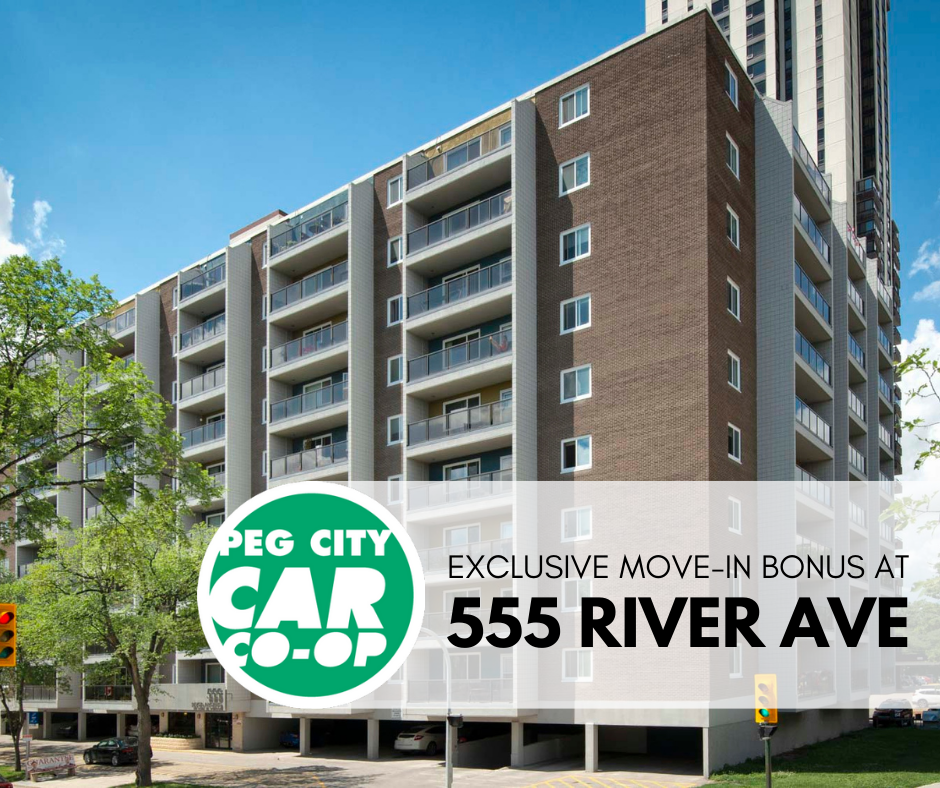
Peg City Car Co-op and Towers Realty Group have partnered up for an EXCLUSIVE move-in bonus at 555 River Ave!


Apply today at 555 River Avenue to claim this AMAZING exclusive bonus: 

  • $500 Peg City Car Co-op membership fee reimbursement (when you sign up for a new membership)
  • $100 Towers Tenant Peg City driving credit (Towers Benefits partnership perk)
  • $25 new member application fee waived (Towers Benefits partnership perk)
  • OR, FREE MOVING if applied before March 31, 2022
  • PLUS one month rent FREE!

Already a member of Peg City Car Co-op? No worries! We’ll reimburse your $500 membership fee too!

Get your knives ready for our first Pumpkin Carving Contest to WIN a $250 Winners Gift Card for your holiday shopping!

To enter:
1. Post a photo of your own carved pumpkin between October 21 – 26, 2021.
2. Tag @towersrealtygroup and #towerspumpkin2021 to qualify for the entry. Participants can enter more than once, but each entry must feature a new carving.
**Don’t forget to mention your Towers’ building name while posting your entry. Follow us on Instagram for more updates about the contest!

We can’t wait to see your spooktacular pumpkins!


The contest ends at midnight on National Pumpkin Day – October 26, 2021 . We’ll announce the lucky winner on October 28, 2021 on our social media stories, so stay tuned! 😉 This contest is valid for only Towers’ residents across Manitoba and Saskatchewan. This contest is not affiliated, sponsored or organized by Instagram in any way.