Company Events & Community Involvement

Facebook YouTube Twitter Instagram

By mid-April, most Winnipeg residents have had enough of bare trees and grey skies. The good news is that even without a yard or garden plot, apartment living offers plenty of ways to bring some green into your space. A few well-chosen plants or a small balcony container setup can genuinely change how your home feels through spring and into summer.

This guide is for renters who want to add some life to their apartment without overcomplicating it. Whether you have a south-facing balcony with good sun or a single north-facing window, there are options that actually work.

Starting with What You Have

Before buying a single plant, take stock of your space. Light is the most important factor. A balcony that gets direct afternoon sun has completely different possibilities than a balcony that is mostly shaded, and an indoor window that faces north will not support the same plants as one that faces south or west.

Check your lease before making any structural changes to your balcony. Adding hooks for hanging planters, affixing brackets to railings, or attaching anything to exterior walls may require permission. A quick conversation with your property manager is faster than undoing something that was not allowed. Our spring cleaning tips for apartment living are also worth reading before you bring new items onto your balcony, since clearing out winter debris first gives you a cleaner picture of what you actually have to work with.

Balcony Container Gardening for Winnipeg Renters

Container gardening on a balcony is genuinely beginner-friendly once you understand a few basics. The main variables are sun exposure, pot size, and drainage. Winnipeg’s spring can still dip below freezing through April, so starting seeds indoors and moving containers outside after the Victoria Day weekend is a reliable approach. It is the same timing most Manitoba gardeners use as a frost-safety guideline.

For a sunny balcony, cherry tomatoes, herbs like basil, chives, and mint, and compact annual flowers like nasturtiums or marigolds all do well in containers. They do not need large pots, and they produce reliably through the summer. Herbs especially tend to be worth growing at home given what fresh herbs cost at the grocery store.

Geraniums are also a classic balcony plant in Canada for a reason. They are hardy, colourful, handle some wind, and do not need daily attention once established. The Canadian Gardening resource on container plants is a helpful starting point if you want more variety-specific guidance, particularly around what performs best in prairie climates where temperature swings can be sharp.

Shaded Balconies and Indoor Plants

A north-facing or shaded balcony is not useless for plants. It just calls for shade-tolerant varieties. Hostas, ferns, and impatiens all do well with indirect light and can add real colour and texture to a space that does not get direct sun. The key is not fighting the conditions you have.

For indoor spaces with limited light, pothos, snake plants, and ZZ plants have become popular for good reason. They are forgiving, grow in lower light conditions than most plants, and do not need constant watering. A single pothos in a hanging planter near a window can transform the feel of a room with very little maintenance effort.

Peace lilies are another good indoor option. They flower seasonally, filter indoor air, and tolerate lower light reasonably well. For Winnipeg apartments where windows stay closed for much of the winter, having plants that contribute to air quality is a genuine benefit beyond the aesthetics.

Making a Small Space Feel Bigger

One of the quieter benefits of adding plants to an apartment is what it does to the sense of space. A few well-placed plants, especially taller ones in floor-standing pots, draw the eye upward and make a room feel less compressed. Trailing plants hung near a window create vertical interest that flat wall art alone cannot quite replicate.

If you are working with a small balcony, vertical planters or rail-mounted boxes maximize your growing area without taking up floor space. Fabric grow bags are also worth knowing about: they are lightweight, easy to store over winter, and work well for shallow-rooted plants like lettuce and herbs.

Balcony setup is also a good prompt to look at your outdoor furniture situation. A small folding table and a couple of chairs change a bare concrete balcony into a usable outdoor room, especially through the long evenings that come with a Winnipeg spring. Keep it simple and weatherproof so it can stay out through the season without much fuss.

Keeping It Going Through Summer

The biggest risk with balcony and indoor plants is forgetting about watering once the novelty wears off. Setting a simple reminder on your phone once or twice a week during dry stretches is more effective than relying on memory. Most container plants need more frequent watering than in-ground plants because pots dry out faster, especially on a sunny balcony in July.

If you are going away for more than a few days in summer, self-watering containers or water-retaining soil mixes are worth the small extra investment. They give plants enough moisture to survive a long weekend without someone checking in.

Towers residents interested in other ways to make the most of their apartments this season can find more helpful content in the What’s Happening section of our blog. And if you are considering a move to a building with a better balcony or more outdoor space, browsing our current Winnipeg listings is a good place to start.

FAQs

Can I attach planters to my balcony railing without permission?

This depends on your lease and your building’s rules. Some railing-mounted planters are permitted and some are not. Check with your property management team before making any attachments to the balcony structure.

When is it safe to put plants outside on a Winnipeg balcony?

The general guideline for frost safety in Winnipeg is after the May long weekend (Victoria Day). April and early May can still bring overnight frost, so tender plants are safer outdoors once that date has passed.

What are the easiest plants for an apartment with limited light?

Pothos, snake plants, ZZ plants, and peace lilies are consistently reliable in lower-light apartment settings. They require minimal watering and are forgiving if you miss a day or two.


After months of cold and limited daylight, April in Winnipeg feels like a reward. The city wakes up noticeably between March and April. Patios start reappearing, the walking paths clear off, and the calendar fills up with things actually worth leaving home for. If you are looking for ways to get out and enjoy the season, there is no shortage of options this spring.

Arts and Culture Worth Checking Out

From April 20 to 26, the Winnipeg Comedy Festival celebrates its 25th anniversary. This nationally televised festival brings together some of the country’s best stand-up, sketch, and improv performers. Tickets for individual shows can sell out, so booking ahead is a good idea if there is a specific lineup you want to catch.

If you prefer something a little more leisurely, the Assiniboine Park Conservancy is running programming at The Leaf throughout the spring season, including evening events and family-friendly activities on select weekends. The building itself is worth visiting just for the biomes, but the programming adds a reason to go back more than once.

Markets and Shopping

The Third + Bird Spring Market runs April 17 to 19 at Red River Exhibition Place. It is a large-scale artisan and maker market with vendors selling clothing, home goods, food products, and handmade items. It tends to draw a good crowd, so arriving at opening on Friday or Saturday morning gives you more room to browse.

If you have been looking for a way to refresh your apartment space as the season changes, markets like this are a genuinely good source for smaller decorative pieces. Things like handmade ceramics, local art prints, and textiles tend to be reasonably priced and a lot more interesting than what you find in chain stores. We cover some practical ideas for freshening up your space in our post on balcony and window box ideas for spring, which pairs well with the market visit.

Getting Outside After a Long Winter

April is also when Winnipeg’s trail system starts to become genuinely enjoyable again. The paths along the Assiniboine and Red Rivers clear off steadily through the month, and by late April the walking routes through areas like St. Vital and River Heights are in good shape.

If you are looking for something a bit further afield, our guide to Manitoba hiking trails covers options across the province that are worth planning for as the weather stabilizes. Some of the better trails within a couple of hours of the city are accessible from late April onward depending on conditions.

FortWhyte Alive, Birds Hill Provincial Park, and the trails around Beaudry Provincial Park are all solid options for a half-day outing once the mud season settles down. Keep an eye on trail conditions before heading out, as some paths take longer to dry out after snowmelt.

Making the Most of Living in the City

One of the underrated advantages of renting in a well-located Winnipeg apartment is how accessible the city’s events and neighbourhoods become. Many of the festivals and markets mentioned above are within easy reach of the communities where Towers properties are located, whether you are in Osborne Village, the Exchange District, or further out in areas like Windsor Park or North Kildonan.

If you are looking for a place that puts you closer to the best of what the city offers year-round, you can explore available apartments across Winnipeg to see what is currently on the market. And if you are already a Towers resident, check in on your Resident Benefits card for local discounts that can help stretch your entertainment budget a little further.

FAQs 

What are the best things to do in Winnipeg in April 2026?

Some of the best things to do in Winnipeg in April include checking out seasonal festivals, visiting local markets, spending time outdoors as the trails clear up, and taking in arts and culture events across the city. It is one of the first months of the year when Winnipeg starts to feel active again, which makes it a great time to explore both familiar spots and new ones.

Are there family-friendly spring events in Winnipeg this April?

Yes, April usually brings a good mix of family-friendly events and activities in Winnipeg. Places like The Leaf often have programming that works well for all ages, and outdoor spaces such as FortWhyte Alive or Assiniboine Park are good options once the weather starts to cooperate. Markets and weekend events can also be an easy way to spend a few hours without needing a full day plan.

What are some indoor activities in Winnipeg if the weather is still cold?

Even as spring starts to arrive, Winnipeg weather can still be unpredictable in April. On colder or rainier days, indoor options like comedy shows, conservatories, markets, museums, and galleries are an easy way to get out without depending on the forecast. It is also a good month to revisit places you may have skipped over during the winter.

Are there free or low-cost things to do in Winnipeg in April?

There are plenty of lower-cost ways to enjoy Winnipeg in April. Walking trails, public parks, neighbourhood exploring, and community events can all make for a great outing without spending much. Even if you are heading to a market or event, browsing, grabbing a coffee, and enjoying the atmosphere can be enough to make an afternoon feel worthwhile.

When do Winnipeg walking trails usually become enjoyable again in spring?

It depends a bit on the weather, but many Winnipeg walking trails start becoming more enjoyable through April as snow and ice finally clear. Early in the month, some areas can still be wet or muddy, but by late April many of the city’s more popular routes are usually in much better shape for a casual walk or weekend outing.

Every Winnipeg spring follows the same script. Temperatures swing between freeze and thaw for weeks before the city finally settles into warmer days. For apartment residents, that in-between period is worth paying attention to. The melting of months of accumulated snow can affect everything from building drainage to balcony conditions, and knowing what to look for helps you stay comfortable and keep your unit in good shape.


Most of this falls squarely on your property management team to handle, but you play a role too. A quick heads-up from a resident can mean the difference between a small maintenance fix and a bigger issue down the line.

Why the Thaw Period Is the Tricky Part

Winnipeg doesn’t just warm up gradually. It freezes, then thaws, then freezes again, sometimes within the same week. That repeated cycle puts more stress on building systems and outdoor surfaces than a single steady warm-up would. Ice that forms overnight along drainage paths or near entryways creates the kind of hazards that are easy to overlook until someone slips.

Snow stored near foundations, fences, and low-lying spots tends to concentrate snowmelt exactly where it can cause the most trouble. Property managers account for this during winter snow removal, but residents can help by avoiding placing personal items, planters, or furniture over outdoor drains.

If you’re curious how other seasonal shifts affect your home throughout the year, our post on getting your apartment ready for colder weather walks through the same kind of proactive thinking, just in the other direction.

What to Watch for Around Your Building

Spring thaw in a multi-residential building shows up in a few predictable places. Parking lots and walkways are often the first to develop ice patches as melt water refreezes overnight. If you notice an area that seems to be draining poorly or pooling near an entrance, it’s worth a quick note to your on-site caretaker.

Window seals are another area to check. After a long winter with sustained cold temperatures, the seals around windows can shift slightly. If you start noticing drafts or unusual condensation building up on the inside of your glass as temperatures fluctuate, mention it sooner rather than later. Small seal issues are easy to address early and harder to ignore once summer heat arrives.

The same applies to balconies. Standing water on a balcony surface is usually a sign that the drain is blocked, often with debris that has collected under snow all winter. A quick look when the snow clears off your balcony can save you from dealing with a soggy outdoor space for the rest of the season.

Shared Spaces and Entryways

Building entryways take a real beating during spring. Residents tracking in slush and melt water from outside means lobby floors and hallway mats go from dry to wet quickly. This is mostly a maintenance matter, but being mindful about wiping down footwear before walking through common areas makes a noticeable difference for everyone in the building.

Stairwells, especially outdoor fire escape stairs, can hold ice longer than other surfaces because they are elevated and exposed on multiple sides. If you use an exterior stairwell and notice ice that hasn’t been treated, let your caretaker know. 

If you live in one of our Winnipeg apartments and you’re unsure whether a maintenance concern is something to flag, the tenant services section of our website outlines how to reach your management team and what falls under routine maintenance.

A Bit of Communication Goes a Long Way

Property management teams are stretched across multiple buildings during the spring maintenance push. Inspections, drainage checks, parking lot treatments, and exterior assessments all happen in a compressed window as the season shifts. Residents who communicate early, even about something that seems minor, help the team prioritize.

It doesn’t take much. A quick message through the resident portal, a note to your on-site caretaker, or a call to the office is enough. You don’t need to diagnose the problem yourself or be certain it’s serious. If something seems off, the best move is to pass it along.

Getting the Most Out of the Season Ahead

Spring in Winnipeg is relatively short before summer heat takes over. Once the thaw settles and things dry out, it is one of the best times of year to be outside in the city. The walking paths clear up, patios open, and the longer evenings make it easy to get out after work.

Taking a few minutes now to check your unit and share any concerns with your management team means you can spend the rest of spring actually enjoying it. That’s the whole point, really.

Questions about your suite or building? Visit the Towers Realty contact page or reach out to your on-site caretaker directly.

FAQs

What should I do if I notice ice near a building entrance?

Let your on-site caretaker know as soon as possible. Icy entryways are a priority maintenance item and are typically treated quickly once flagged.

Am I responsible for clearing snow or ice from my balcony?

Balcony maintenance responsibilities can vary. Check your lease or reach out to your property management team for clarification specific to your building.

Who do I contact if I think my window seal has shifted over winter?

You can submit a maintenance request through the Resident Portal or speak directly with your on-site caretaker. Catching seal issues early makes them much easier to fix.

Spring is the most active rental season in Winnipeg. Leases turn over, students graduate and relocate, and the warmer weather makes moving feel far more manageable than dragging boxes through a January snowstorm. If you have a spring move coming up, a bit of planning ahead of time will save you from the most common headaches.

What follows is a practical guide for apartment renters tackling a spring move in Winnipeg, whether you’re moving for the first time or just looking for a smoother version of something you’ve done before.

Why Spring Moves Come with Their Own Challenges

Spring in Winnipeg is great for moving compared to winter, but it is not without complications. The ground is still thawing well into April, which means parking lots and pathways around buildings can be muddy, slippery, or partially blocked by drainage work. Moving trucks can leave ruts in soft ground, and loading zones near building entrances may be more congested than usual.

Booking your moving company early helps, but so does coordinating with your building’s management team. Many properties have designated move-in windows or elevator booking requirements for larger buildings. If yours does, confirm those details a week or two before your move date so there are no surprises.

The Week Before: Getting Organized

A lot of the stress around moving comes from leaving too many things until the last few days. If you can dedicate the week before your move to a focused set of tasks, the actual move day becomes much calmer.

Measure the doorways and main living spaces in your new unit before anything else. This sounds basic, but as we noted in our post on apartment move-in tips, a doorway that looks generous can be a few inches too narrow for a sectional sofa or a tall wardrobe. Finding that out on the sidewalk with a moving truck waiting is one of the more avoidable move-day disasters.

While you are getting organized, sort through your belongings and decide what is actually coming with you. Spring is a good time to be honest about what you use and what has just been occupying closet space. Donating or discarding before you pack means fewer boxes and less to unpack at the other end.

Move Day: What to Keep in Mind

On the day itself, give yourself more time than you think you need. Spring traffic in Winnipeg can be unpredictable, especially if you are moving near month end when many leases turn over simultaneously. If you’re renting a vehicle or hiring movers, confirm the booking the day before.

When you arrive at your new unit, do a walk-through before moving anything in. Check that appliances are working, the water runs properly, and the heat or air conditioning is functional. Note any existing marks, scuffs, or damage on the walls and floors, and photograph them. Sending those photos to your property management team on day one protects you when it comes time to get your deposit back.

Keep your important documents and valuables separate from the rest of your boxes, ideally in a bag that travels with you rather than in the truck. Lease agreements, keys, identification, and anything else you will need immediately should be accessible throughout the day.

Settling In After the Move

The unpacking phase has a way of stretching on for weeks if you let it. Setting up the spaces you use most first, like your kitchen, bathroom, and bedroom, helps the new place feel like home faster and makes it easier to function normally while the rest comes together.

Take some time to explore the building and the surrounding neighbourhood. Find your nearest grocery store, transit stop, and any amenities your building offers. Many Towers properties include features like on-site laundry, storage, and secured parking that are easy to overlook until you need them.

If you are looking for a place to start your apartment search or want to explore what is currently available, you can browse Towers Realty apartments for rent across Winnipeg and other Manitoba communities.

Moving Partners Who Can Help

Towers Realty’s Resident Benefits program includes preferred rates with several local moving companies, including Total moving, Globe moving, and others. If you have not checked those partnerships yet, it is worth doing before you book anything. The savings can be meaningful, especially when you factor in all the other costs a move involves.

Spring is a busy time for movers in Winnipeg, so booking two to three weeks ahead is a reasonable buffer. Last-minute availability exists, but you will have fewer options and may pay more for it.

FAQs

When is the best time to move in Winnipeg during spring?

Mid-to-late April tends to offer the most stable weather for a spring move. Early March can still bring heavy snowfall, and late March often means muddy conditions from snowmelt. That said, the best date depends on your lease timing more than the calendar.

Do I need to book the elevator in advance for move-in?

For taller or larger buildings, yes. Most multi-storey apartment buildings require you to book elevator access in advance for moves. Contact your property manager at least a week before your move date to check.

What should I photograph before move-in day?

Document every room, including walls, floors, appliances, and fixtures. Pay close attention to any pre-existing scratches, stains, or marks on the walls. Send these to your property manager and keep copies for yourself.

CONGRATULATIONS to our talented project team on winning the 2025 Professional Property Association award for renovation of the year! Awarded to Towers Realty Group for the renovation project completed at The Horizon, located at 1833 Pembina Highway.

At the heart of the project was a decisive move, this was not cosmetic — it was structural, architectural, and strategic, converting a two-bedroom rental suite on the seventh floor into a purpose-built resident amenity lounge and study space.

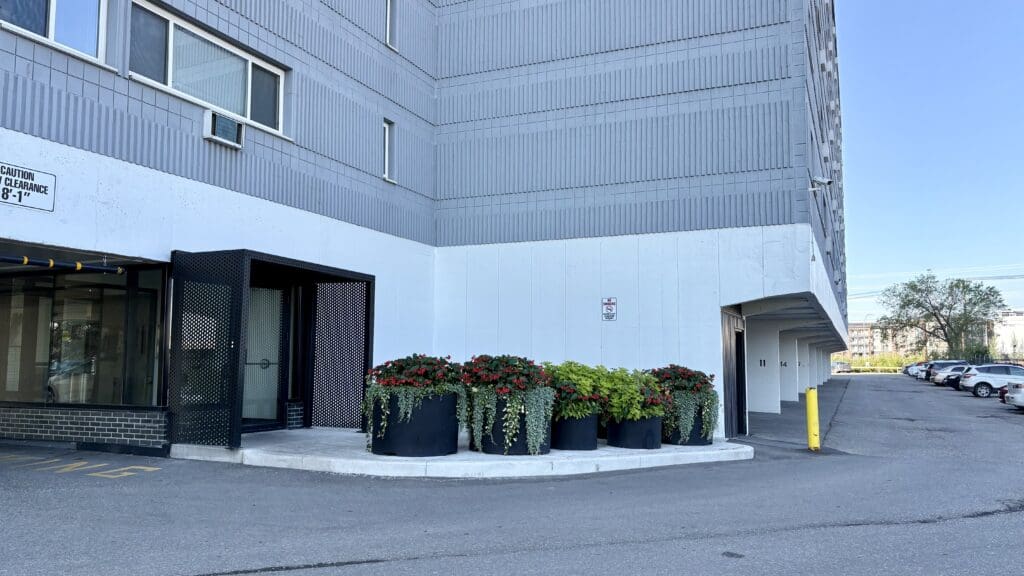
The renovation project included significant interior and exterior upgrades. Inside, the lobby features new furniture and elevators. Outside, enhancements include decorative aluminum fascia, new paving stones, improved landscaping, outdoor seating, new glazing at the main entrance and 7th-floor amenity, and a bicycle storage room.

Since the completion, The Horizon has remained full with tenants utilizing the new amenity room. We couldn’t be more proud of our talented team including our Project Managers, Property Manager, Marketing team and Leasing team for their work on this project.

Thank you also to PPMA Manitoba for this incredible honour. GO TOWERS! Special thanks to BLDG Architecture and Nasta Construction for their work on this project as well.

Winter can be one of the hardest seasons for apartment comfort. By this point, the heat has been running for weeks, windows stay closed most of the time, and your home can start to feel a little too dry. You may notice dry skin, a scratchy throat, or that familiar static shock when you touch a light switch.

If that sounds familiar, you are not alone. This is a very common part of winter apartment living, especially during a long Manitoba cold snap. The good news is that you do not need a big reset to make your space feel better. A few small habits can go a long way.

At Towers Realty Group, everyday comfort matters. If you are already a resident, the tenant services page is the best place to start when you need help, and the What’s Happening page is a great source for seasonal tips and community updates.

Why Winter Feels Extra Dry at Home

Winter air is naturally dry, and once it is heated indoors, that dryness becomes more noticeable. This time of year often feels worse than early winter because the cold has settled in and your apartment has been closed up for a while.

At the same time, regular day-to-day routines still add moisture to your space. Showers, cooking, and drying mittens or boots indoors can all create moisture, which is why you might see some window fog even when the apartment itself feels dry. That mix can feel confusing at first, but it is very normal.

Health Canada offers practical guidance on improving indoor air quality at home, including the importance of keeping moisture and airflow in balance. For renters, that is often the biggest comfort win in winter.

Easy Changes That Make Your Apartment Feel Better Fast

The best winter comfort tips are usually the simplest ones. Start with the habits that help your apartment feel warmer and less stuffy without adding extra work to your day.

One of the easiest changes is to use natural sunlight to your advantage. In Towers Realty Group’s post on Tips and Tricks to Stay Warm This Winter, they share a helpful reminder to open blinds or curtains during the day to let in sunlight, then close them at night to help hold the warmth in. It is simple, but it works.

That same post also mentions reversing your ceiling fan to help push warm air back down into the room. If your apartment has a ceiling fan, this small switch can make your space feel more comfortable without constantly adjusting the thermostat.

If you are still searching for a place that feels like home through every season, exploring Winnipeg apartments for rent can help you compare layouts and communities that fit your day-to-day lifestyle.

Comfort Comes From Balance, Not Overcorrecting

When the air feels dry, it is tempting to focus only on adding moisture. Sometimes that helps, especially at night, but too much moisture can create a different kind of discomfort around windows and bathroom surfaces.

A better approach is to think about balance. You want your apartment to feel comfortable, not dry and not damp. That is where everyday airflow matters.

Towers also touched on this in their Essentials to prepare for the colder months article, with practical reminders like using kitchen and bathroom fans. Those tips are still useful in winter because they help clear moisture after showers and cooking while keeping your apartment feeling fresher.

For a Manitoba-specific explanation of why windows often collect moisture first, Efficiency Manitoba has a helpful guide on controlling condensation and humidity in your home. It is a useful resource for renters who want to understand what they are seeing during very cold weather.

Small Winter Habits That Help Every Day

This time of year, comfort usually comes down to routine. Let the bathroom fan run a little longer after a shower. Use the range hood while cooking if your unit has one. If the weather is reasonable and it is safe to do so, even a short burst of fresh air can help your apartment feel less stale.

If you use a humidifier, keep it light and pay attention to how your space responds. A little can make a bedroom feel much more comfortable at night. If you notice lots of moisture building up on windows, it may be a sign to ease back and focus more on airflow.

It also helps to look at the everyday details around your home. Wet boots left in a tight corner, heavy curtains covering a vent, or winter gear drying without airflow can all affect comfort more than people realize. Small adjustments can make your apartment feel noticeably better by the end of the day.

For more practical renter tips throughout the seasons, the Towers blog is worth checking regularly.

When to Reach Out to Your Property Team

Some dryness is just part of winter, but ongoing moisture issues should not be ignored. If you are seeing persistent condensation, damp spots, or anything that feels unusual in your unit, it is a good idea to contact your property team early.

Towers residents can use the resident support resources to find the right contact information. If you are newer to the community and still getting familiar with how things work, the rental process page also gives helpful context on what to expect and where to go for support.

Reaching out early can make a frustrating winter issue much easier to manage.

A More Comfortable Winter Starts With a Few Simple Steps

Dry winter air can make your apartment feel less cozy than it should. The good news is that you do not need complicated solutions. A few renter-friendly habits, a little attention to airflow, and simple comfort tweaks can make a big difference.

Winter may still be here, but your home can still feel warm, comfortable, and easy to enjoy.

FAQs About Dry Winter Air in Apartments

Is it normal for my apartment to feel dry in winter?

Yes. Indoor heating during cold weather often makes the air feel drier, and many renters notice it most during the coldest stretches of the season.

Why do my windows get moisture if the air feels dry?

Moisture from everyday activities like showers, cooking, and drying winter gear can collect on cold window surfaces, even if the apartment feels dry overall.

Can a humidifier help in an apartment?

Yes, a small humidifier can help with comfort, especially at night. Just use it moderately and watch for extra moisture on windows.

When should I contact property management?

If you notice ongoing condensation, damp areas, or ventilation concerns that do not improve with simple everyday changes, it is a good idea to reach out.
If you want, I can also give you a final publish-ready version with schema-friendly FAQ formatting (clean copy/paste for WordPress) next.

Winter can be expensive, especially when your home needs to stay warm day and night. For many renters, the challenge is not just lowering costs. It is figuring out how to save money without making your apartment feel cold or uncomfortable.

The good news is that you do not need to live in extra layers all day or constantly adjust the thermostat to see a difference. A few simple habits can help you stay comfortable while being more mindful of energy use this winter.

At Towers Realty Group, comfortable apartment living matters year-round. If you are a current resident, the tenant services page is a helpful place to start for support, and the What’s Happening page is a great source for seasonal tips and renter-friendly reminders. Towers’ recent and past winter posts also show a clear focus on helping tenants stay warm and prepared through colder weather.

Start With Comfort Habits That Cost Nothing

The easiest winter savings usually come from small habits, not major changes. Think about how your apartment holds warmth during the day and where heat may be escaping at night.

One simple example is using natural sunlight to your advantage. In Towers Realty Group’s Tips and Tricks to Stay Warm This Winter, they recommend opening blinds or curtains during the day and closing them at night to help keep warmth in. They also mention reversing a ceiling fan to push warm air back down, which can make a room feel cozier without changing the thermostat.

If you are still looking for a home that feels comfortable all year, exploring Winnipeg apartments for rent can help you compare layouts and features that support everyday comfort.

Focus on Drafts Before Turning Up the Heat

A lot of winter energy waste comes from warm air escaping and cold air sneaking in. That can make your apartment feel chilly even when the heat is on.

We  touched on this in Essentials to prepare for the colder months, where we  suggest inspecting doors and windows for drafts and advising your Property Manager so they can install weather stripping or caulking where appropriate. For renters, the key is to stick with simple, renter-friendly fixes and contact your Property Manager if you notice a larger issue.

This approach lines up with local advice, too. Efficiency Manitoba’s winter energy-saving content also emphasizes sealing out drafts and making the most of natural heat to improve comfort and reduce heating costs. Their practical guidance is especially helpful for Manitoba winters because it reflects the kinds of cold snaps renters actually deal with here.

Keep Warm Air Moving Through Your Space

Sometimes a room feels cold, not because the heat is too low, but because warm air is not circulating well. A blocked vent, heavy curtain, or furniture placed too close to a heat source can make your heating system work harder while the room still feels uneven.

Natural Resources Canada highlights a few simple comfort-and-savings habits that are easy to apply in everyday life, including keeping heat sources clear, using ceiling fans effectively, and opening curtains during the day to let in natural warmth. Those are the kinds of changes that can make an apartment feel better without sacrificing comfort. 

If you are new to Towers communities and want to get familiar with what to expect as a resident, the rental process page is a useful place to review the basics and support pathways.

Save on Energy Without Making Your Apartment Feel Cold

Many renters assume saving energy means lowering the thermostat and just dealing with it. In reality, comfort comes from balance. A slightly more efficient routine can often make your apartment feel warmer, not colder.

For example, if your home feels dry, it may feel cooler than it actually is. A small humidifier used carefully can improve comfort in a bedroom at night. At the same time, it helps to pay attention to moisture and airflow so you do not end up with condensation on windows.

Towers’ winter prep post also includes a helpful reminder to ventilate kitchens and bathrooms to reduce moisture buildup, especially after cooking or showering. That kind of simple routine supports comfort and helps your apartment feel fresher through the season. 

For more practical seasonal ideas, the Towers blog is worth checking regularly. It is a good way to pick up renter-friendly tips that fit local conditions and apartment living.

Small Daily Choices Add Up Over the Winter

Lowering winter energy costs is rarely about one big fix. It is usually the result of a few small choices repeated over time.

Closing curtains at night, keeping vents clear, using fans and range hoods when needed, and paying attention to drafts can all help your apartment feel more comfortable while reducing wasted heat. Even simple habits like keeping wet boots on a tray near the entrance instead of drying gear all over the suite can help your home feel cleaner, drier, and easier to keep comfortable.

If you notice persistent drafts, unusual cold spots, or ongoing moisture concerns, reach out through the resident support resources so your property team can help. Addressing a comfort issue early is often the easiest way to avoid a more frustrating winter problem.

Comfort and Savings Can Happen Together

You do not have to choose between staying warm and being mindful of winter energy costs. With a few renter-friendly habits and small comfort-focused changes, your apartment can feel cozy while you make smarter use of energy this season.

Winter is long enough in Manitoba. Your home should still feel comfortable at the end of the day.

FAQs About Lowering Winter Energy Costs in an Apartment

Can I lower winter energy costs without turning my apartment into a cold space?

Yes. The best approach is to reduce wasted heat first by managing drafts, using curtains well, and keeping warm air circulating instead of relying only on thermostat changes.

What is the easiest energy-saving step for renters?

Start with no-cost habits like opening blinds during sunny hours, closing them at night, and making sure vents are not blocked by furniture or curtains.

Do ceiling fans really help in winter?

They can. In many apartments, reversing a ceiling fan helps push warm air back down into the room, which can improve comfort.

Should I contact property management about drafts or cold spots?

Yes, especially if the issue feels persistent or unusual. A quick check by the property team can often help resolve a comfort problem before it gets worse.

Is ventilation still important in winter when I am trying to keep heat in?

Yes. Good airflow in kitchens and bathrooms helps manage moisture and can make your apartment feel more comfortable overall.

At Towers Realty Group, we take immense pride in acknowledging and celebrating the extraordinary efforts and unwavering dedication of our wonderful and hardworking site staff. As this year comes to an end, it’s an honor to spotlight the remarkable achievements of the exceptional team members who have received special recognition for their outstanding contributions.

Long Service Milestone Recognition Program

This year we announced the Long Service Milestone Recognition Program, recognizing those who have made milestones with Towers Realty Group. This initiative is designed to honor and celebrate the loyalty, commitment and outstanding work of our staff.

We are happy to announce and recognize our team celebrating a milestone with us:

Honorable Mentions:

Alexander Bancroft – Negev Gardens (10 Years)

Renovations and Major Projects

Towers Realty Group took on many renovation project in 2024. The Major Project/Renovation category recognizes outstanding dedication and exceptional performance during the completion of a major project and renovation.

This award honours individuals or teams who consistently went above and beyond to ensure quality, efficiency, and seamless collaboration with residents, tenants, trades and our Project Managers throughout the project. Their commitment is instrumental to the project’s success and it’s timely, high-quality execution.

This year’s recipients of the Renovations and Major Projects award are:

Cheryl & Brandon Wilson – Hillsboro House
Jeremy Browne & Amanda King – Beliveau House
Rhonda Richardson – 21 Mayfair Place
Bev & Fred Enns – Water’s Edge Estates

Honorable Mentions:

Alvin & Shiloh Lupichuk – Mandalay Village

SPECIAL RECOGNITION (ABOVE AND BEYOND)

The categories used to determine those site staff deserving of special recognition in this category are:

  • Grounds & building exterior
  • Building interior
  • Tenant Relations
  • Administration and paperwork
  • Leasing and tenant retention

This year’s recipients of the special recognition award are:

Emil Miljkovic – The Horizon
Mike Myall – Birchgrove Manor
Maureen & Gord Loewen – Fairfield Apartments
Kathy Barr – 1000 Markham Place
Leanora Miller – Osborne Central
Michael Thies – 400 Tache Avenue
Evan & Lynelle Kratz – Morgan Manor
Thalia Hernandez & Isreal Sanchez – Markham Place

Honorable Mentions:

Ryan Williams – Riverview Homes (Brandon)

Customer Service Excellence

This year’s recipient has been with Towers Realty Group for years starting out as a leasing agent, and now as Caretaker at one of our residential property.

Their commitment to Towers Realty Group’s brand and continued provision of exceptional customer service has never wavered, regardless of what role they’ve held within the company.

And this year’s Customer Service Excellence award goes to:

Luc Bernier – Kenaston Village

A Testament to Excellence and Dedication

The dedication and hard work demonstrated by these exceptional individuals encapsulate our core values at Towers Realty Group. They raise the bar high for service standards within our community, serving as an inspiration to us all.

Join Us in Celebrating Their Achievements

We extend our congratulations to our outstanding site staff for their remarkable achievements and unwavering commitment to excellence. Their passion and dedication truly embody the spirit of Towers Realty Group.

Please join us in celebrating the exceptional achievements of these remarkable individuals by sharing your heartfelt congratulations and appreciation for their extraordinary contributions.

Towers Realty Group remains dedicated to fostering an environment where excellence is acknowledged and celebrated.

We extend our deepest gratitude to our exceptional site staff for their continuous dedication and commitment to making a profound difference in our community.

Winter is coming, so tenants should prepare to keep their homes warm, safe, and comfy. Cold air, freezing temps, and heavy snow are on the way. Taking steps now can prevent winter issues and save on energy bills. Here are key steps to take before winter hits.

  • Inspect & Seal: The most common reasons why heat may escapes is from drafty doors and windows. Use weather stripping or caulking to seal drafts effectively. Heavy curtains are a good way to help retain warmth throughout your suite.
  • Safety First: Choose rugs with non-slip backing and stock up on winter essentials like non-perishable food and medications.
  • Make an Emergency Kit: Stock up on essential items like flashlights, batteries, blankets, and first-aid supplies.
  • Ventilate To Avoid Condensation: Make sure your home always has sufficient airflow, especially in areas like kitchens and bathrooms where moisture is at a high. Use exhaust fans when cooking or showering to lower moisture levels. If your apartment has windows that can be opened, consider doing so for short periods to let fresh air in while maintaining the indoor temperature.
  • Use a Boot Tray: Keep a boot tray near your apartment entrance to prevent snow, salt, and slush from being tracked inside. This will help keep your floors clean and dry and avoid the warping due to wetness or the staining of carpets.
  • Stay Informed: Monitor weather forecasts and adjust your schedule to avoid being outside during  the coldest hours.

Preparing ahead for the cold season is crucial to ensure your comfort and safety. By following these steps, you can create a warm and inviting environment that will keep the chill away.

Folklorama Festival is back from August 3 to 16! Enjoy entertainment, yummy foods, and rich cultures.

Over the next 14 days, festivals will be all over the city. If you have a favorite culture, grab your tickets on Folklorama’s website or you can click here Folklorama – Festival.

From August 3 to 9, join us at Tech Voc High School for the Africa Pavilion and Burton Cummings Community Centre for the Tamil Pavilion.

From August 10 to 16, visit the Africa/Caribbean Pavilion at Holy Eucharist Parish Centre and Ukraine Kyiv Pavilion at Maples Collegiate.

You can now plan your week with the Folklorama 2025 travel guide for pavilion locations and showtimes. See you there!